


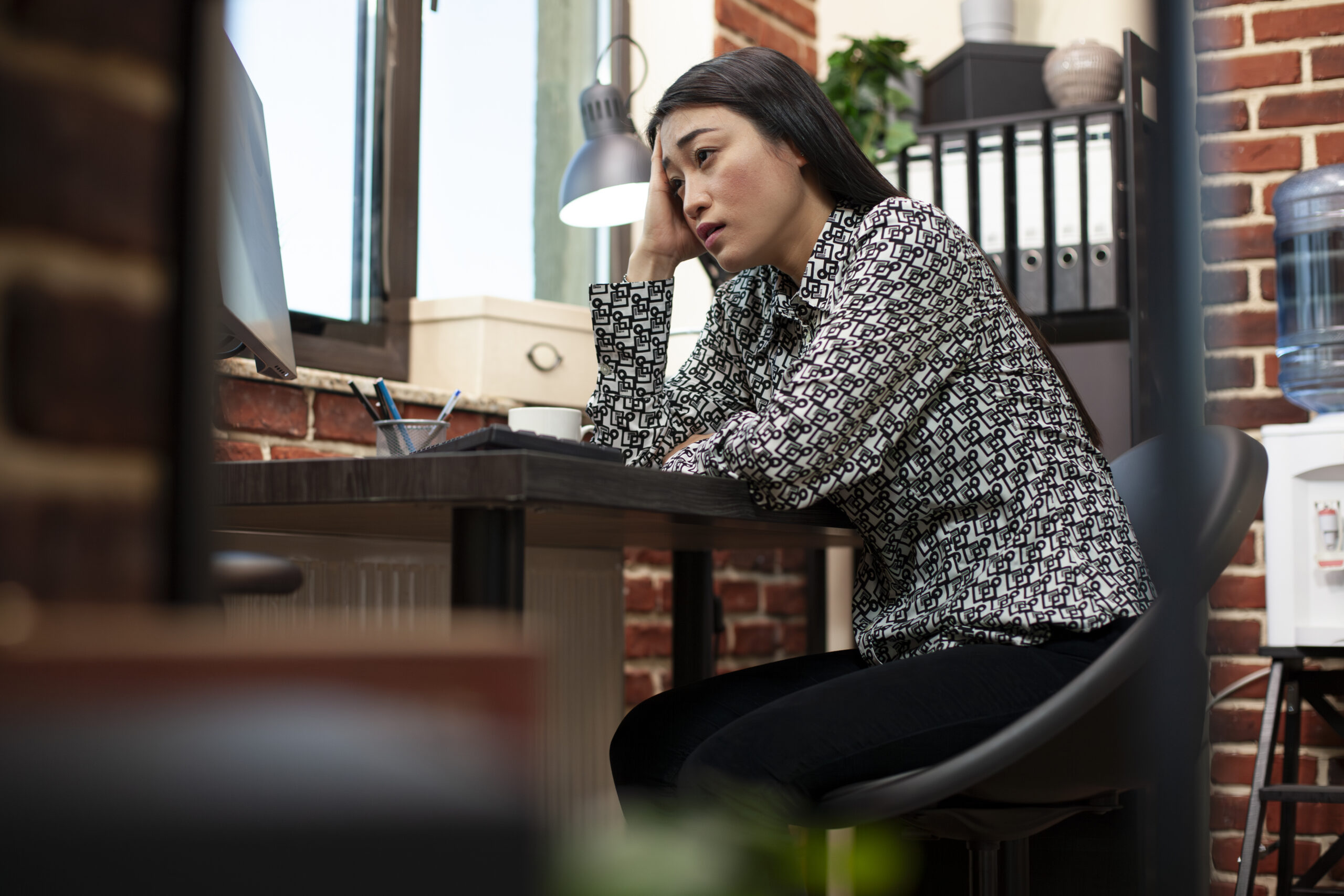
Think of the women in your life, whether that’s a mum, grandma, sister, daughter, colleague, partner or friend.
Imagine for a moment that person waking up on a workday after a restless night’s sleep. They’re experiencing pain, fatigue, headaches, brain fog and/or anxiety, yet they still get out of bed and head to work. They attend meetings, meet deadlines, have conversations with colleagues and carry on as though they’re feeling 100% mentally and physically. For many women, this isn’t an occasional event, it is a reality they navigate every single month.
Menstrual health is rarely discussed in the workplace, yet it can have a significant impact on wellbeing, productivity and employee experience. As organisations increasingly focus on creating inclusive and supportive workplaces, understanding the realities of menstrual health needs to become more prevalent in these conversations.
Women’s health week and understanding the impacts of menstrual cycles
Women’s health week in New Zealand runs from 10-16 August this year. This dedicated week celebrates the health and wellbeing of Kiwi women and gender-diverse individuals, while providing an opportunity to raise awareness and encourage conversations about topics that are often overlooked or considered taboo.
This article focuses on menstrual health and creates a space for open discussion about its effects on everyday life and work. First, we’ll cover some workplace research evidence, then explore physical and psychological effects at work, and finally share some tips on better ways to respond.
Growing research suggests that work demands and psychosocial risk factors may increase the likelihood of more severe menstrual symptoms among women. A 2023 Japanese study found that women experiencing high job demands and low coworker support had a 50% higher risk of menstrual symptoms. These findings indicate that improving psychosocial working conditions and reducing job-related stress may play an important role in preventing or alleviating menstrual symptoms and supporting women’s health and wellbeing at work.
A further study conducted in Spain found that more than a quarter of the women surveyed had reduced their working hours or failed to attend work at least 1 day in the last 6 months due to painful menstrual symptoms. CIPD’s 2023 survey of 2000 women aged 18-60 in the United Kingdom found that only 20% of respondents who experienced menstruation symptoms had taken sick leave because of those symptoms. Among those who had taken absence related to their menstrual cycle, 49% said they never tell their manager the real reason for their absence.
The psychological and physical effects of menstruation, and how this links to presenteeism
While menstruation is a normal biological process, the symptoms associated with the menstrual cycle can have changing and significant consequences for women’s physical, emotional and cognitive wellbeing. Complex but often under-diagnosed issues such as endometriosis, polycystic ovary syndrome or severe premenstrual dysphoric disorder may be present, and there can be marked changes around childbirth, menopause or apparently unrelated health concerns.
Women experiencing menstrual-related symptoms often report a lower quality of life, with adverse effects on both their physical and psychological wellbeing. These effects can substantially impact their ability to function effectively at work and participate fully in everyday activities.
Research findings are reflected in the experiences of many working women, who describe the significant impact menstrual symptoms can have on their daily lives and work performance. Endometriosis NZ shares this woman’s description of “having terrible cramps and lower-back pain for two days a month”, to the extent that she sometimes spent her lunch breaks curled up in the corner of a meeting room. Another shared that “the pain and aching extended from my shoulders down to my knees. Sometimes it felt like a knife was being pulled through my guts. Sometimes it hurt too much to walk or even sit in a chair.” These experiences highlight how severe menstrual symptoms can affect comfort, concentration, mobility and overall work performance. (The Endometriosis NZ paper also discusses whether men should feel left out of or competitive about not having periods.)
Symptoms vary from person to person and can range from fatigue, brain fog and mood changes through to bloating, headaches and abdominal pain. Yet, despite these challenges, many women continue to attend work and carry out their normal responsibilities. In some cases, this may mean participating in meetings, engaging with colleagues and attempting to maintain productivity while feeling far from their physical or psychological best.
This experience of showing up to work while mentally or physically unwell is referred to as “presenteeism”. While less visible than absenteeism, presenteeism can also have significant impacts on employee wellbeing, productivity and organisational performance.
Umbrella and Geneva Wellbeing’s 2025 Annual Wellbeing Report discusses the prevalence and cost of presenteeism across New Zealand workplaces and reinforces the importance of creating environments where people feel supported to manage their health and wellbeing. Menstrual health is often not visible to others, but for many women it can meaningfully influence how they feel, function and perform at work. Creating workplaces where people feel able to access support when they need it may help reduce the need to struggle through symptoms while remaining physically present at work.
It is also important to recognise that menstrual health is only one aspect of women’s health in the workplace. Women experiencing perimenopause and menopause may also face symptoms that affect their physical and mental wellbeing, work performance, and overall quality of life. Refer to our previous article on menopause at work to learn more.
How organisations can provide support
Organisations have an important role to play in making menstrual health a normal and supported part of workplace wellbeing. Guidance from the British Standards Institution (BS 30416:2023) offers practical recommendations for organisations to create inclusive workplaces that better support employees experiencing menstruation, menstrual health conditions, perimenopause and menopause.
There is ongoing debate about whether menstrual leave should be offered in workplaces. Japan, Taiwan, Indonesia, South Korea, Zambia and South Africa have it; New Zealand does not currently provide a statutory menstrual-leave entitlement. Kiwi organisations can, however, choose to introduce their own policies, such as at ModiBodi, where employees accrue an additional 10 days’ paid personal leave per year for menstruation, menopause discomfort or in the event of a miscarriage. Organisations that have adopted menstrual-leave policies have reported numerous benefits, including higher staff retention and productivity and improved trust and support in the workplace.
There are many other practical ways workplaces can support employees experiencing menstrual symptoms.
Tips and strategies for organisations:
- Create a culture where conversations feel safe
A useful starting point is creating a workplace culture where menstrual health is treated as a normal part of overall wellbeing. This does not mean expecting people to discuss personal health information openly. Rather, it means reducing stigma, acknowledging that menstrual symptoms can affect work, and making it clear that support is available if needed.
Organisations can help normalise conversations by including menstrual health in wellbeing initiatives, providing information and resources on internal wellbeing platforms, participating in awareness campaigns, and ensuring relevant policies recognise menstrual health as a legitimate wellbeing issue. When employees feel safe to ask for support without fear of judgement or embarrassment, they are more likely to access help when they need it and feel energised and committed to their work over the long term.
- Ensure employees have easy access to information and support
Support could also be embedded within an organisation’s wider wellbeing framework. This may include clear policies, support pathways, guidance for managers, flexible working arrangements and access to appropriate leave provisions if needed.
Simple workplace adjustments can also make a meaningful difference. Depending on individual needs, this might include flexibility around start and finish times, the ability to work from home when appropriate, additional breaks, or temporary adjustments to workload during periods of severe symptoms. The key is recognising that experiences vary and that support should be flexible rather than one-size-fits-all.
- Equip managers to respond with compassion
Managers and leaders play a critical role in shaping employee experiences. They do not need to be health experts, but they do need to feel confident having supportive and respectful conversations when an employee raises a concern.
Training managers to understand the diversity of menstrual experiences, the importance of maintaining confidentiality, and how to point employees to available support, can help build trust and psychological safety. Conversations should focus on understanding what support would be helpful rather than trying to diagnose or solve the issue. Simple questions such as, “What support would help you work comfortably today?” can help identify practical adjustments while respecting privacy.
This matters because research suggests workplace support is still not common enough. CIPD’s 2023 UK report found that almost four in five respondents had experienced menstruation symptoms, more than two-thirds of those with symptoms said they had a negative impact at work, and only 12% of organisations provided support for menstruation and menstrual health.
It is important to raise awareness on this topic to help disrupt the perception of the menstrual cycle as a “taboo” subject, while also remembering that not everyone wants to discuss their menstrual health openly. Creating conversations, increasing awareness and exploring how organisations, managers and colleagues can better support each other are all crucial steps towards fostering an inclusive workplace culture and a psychologically safe working environment.
Disclaimer: Data from Umbrella and Geneva Wellbeing’s 2025 Annual Report was collected from people of all ages and genders and is not specific to women or menstrual cycles. Therefore, the findings on presenteeism do not directly reflect menstrual health-related experiences or outcomes.